General Overview
Interview Summary
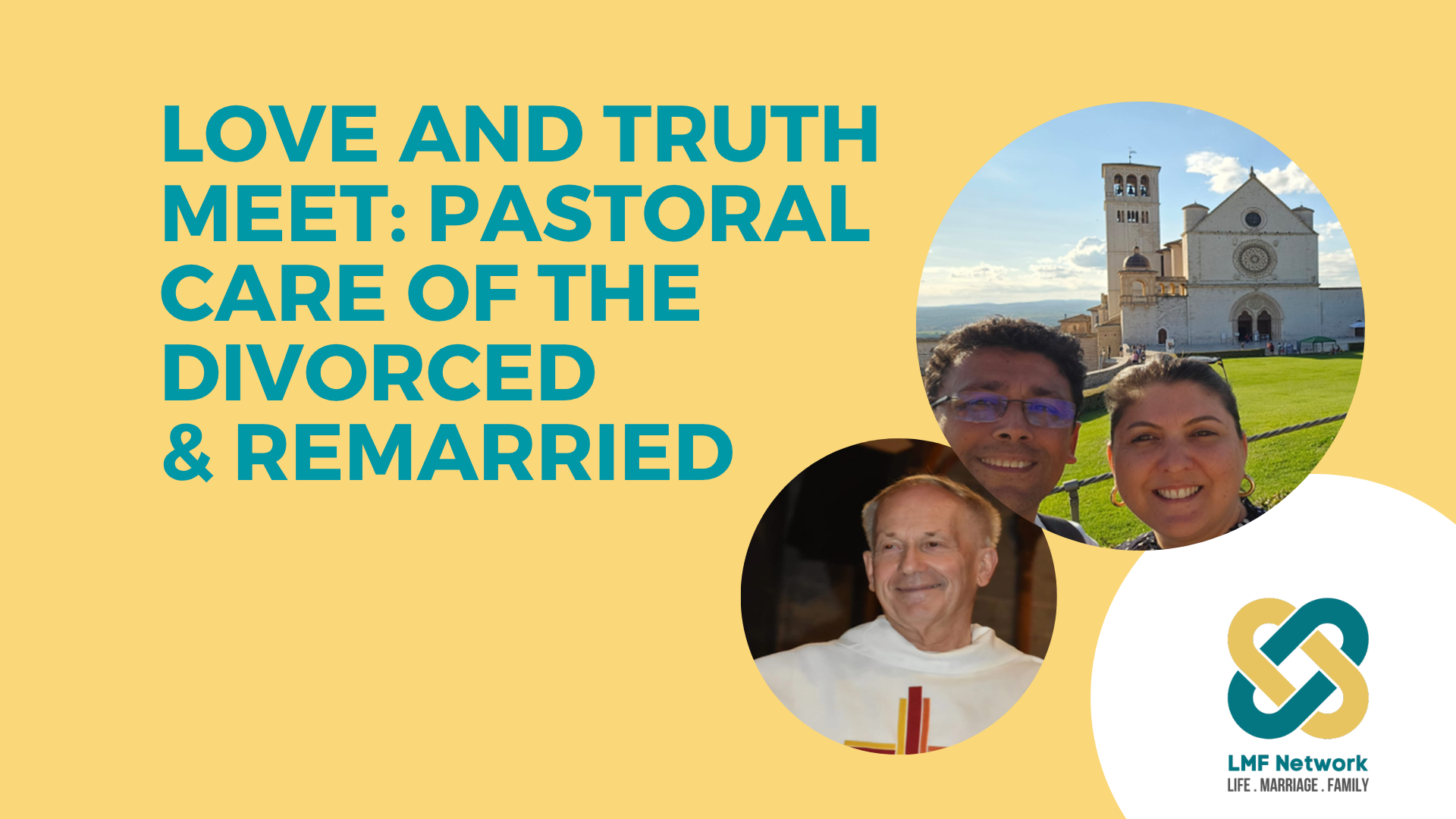
The April 2026 LMF Network meeting featured a presentation by representatives from the Diocese of Port Louis in Mauritius, including Bishop Jean-Michael Derhorn, Father Patrice De La Salle, and Jennifer and Olivier Constantin. They detailed a pioneering pastoral initiative designed to accompany and integrate divorced and remarried Catholics into the life of the church. The program, inspired by Pope Francis’s exhortation Amoris Laetitia, was a seven-month spiritual journey of discernment. The presenters explained the program’s structure, theological underpinnings, implementation process, and outcomes. They emphasized that the journey was an individual one focused on healing and mercy, culminating in a case-by-case discernment by the bishop, which could, by exception, lead to readmission to the sacraments. The presentation was followed by a question-and-answer session with members of the network.
Interviewee Background
The presentation was led by several key figures from the Diocese of Port Louis. Father Patrice De La Salle was a Jesuit, theology teacher, and spiritual retreat facilitator who spearheaded the initiative and authored a book about it, titled “Love and Truth Meet.” Jennifer and Olivier Constantin were a married couple appointed to the family ministry who facilitated the program, with Jennifer playing a central role in its coordination. Bishop Jean-Michael Derhorn, the Bishop of Port Louis, provided episcopal oversight and continued the work started by his predecessor, Cardinal Piat. He was responsible for the final discernment process for each participant.
Key Points
- The pastoral initiative was created in the Diocese of Port Louis, Mauritius, in response to Pope Francis’s Amoris Laetitia to address the marginalization of divorced Catholics in new unions.
- The program was a seven-month spiritual journey titled “Deepening of Faith and Discernment,” based on Jesuit spiritual exercises, scripture, and guided prayer.
- Participation was individual, not as a couple, to facilitate deep personal healing and open sharing. Each participant was paired with a spiritual director.
- The program did not change the Church’s doctrine on marriage but focused on mercy, accompaniment, and helping individuals encounter God’s love.
- At the conclusion of the program, each participant wrote a letter to the bishop detailing their discernment journey.
- The bishop engaged in a synodal discernment process, consulting with the program team and spiritual directors, before providing a written, case-by-case response to each participant.
- Potential outcomes included encouragement for continued spiritual growth, a recommendation to seek an annulment, or, as a rule by exception, permission to access the sacraments of Confession and the Eucharist.
- The program resulted in profound healing for participants, who reported rediscovering their identity as beloved children of God, forgiving past hurts, and finding peace.
Notable Quotes
- “The church is not there to isolate people and lock them in their forts, but to open them to the gift of mercy that saves.” – Father Patrice De La Salle (23:10), explaining the program’s focus on mercy rather than judgment.
- “It’s a sinadal discernment. It’s not only on the bishops on lead decision. We take time to consult…” – Bishop Jean-Michael Derhorn (46:13), describing his collaborative process for making a final decision for each participant.
- “But today, the Lord showed me how great his love for me is. I learned to trust God, others, and especially myself. I learned to forgive.” – Jennifer Constantin (32:09), reading from a participant’s letter that testified to the profound personal healing experienced in the program.
- “This is a journey for discernment and spiritual deepening. This is not a journey for a couple.” – Olivier Constantin (52:24), explaining the rationale for participants undertaking the program individually to allow for deeper personal work.
- “A great joy fills their hearts at the end of the journey. They rediscovered that they have not been abandoned by God. On the contrary, they remain beloved sons and daughters of the Father.” – Father Patrice De La Salle (24:30), summarizing the transformative effect of the program on participants.
Kicker Quotes
- “They perceive how deeply the presence of Jesus dwells in their lives and how they now fully have their place, their entire place in the church, serving a gospel of fraternity and peace.”
- “Today, Jesus calls me to move forward in my mission, to go and proclaim his word with others without fear of saying that he is love and that he wants peace throughout the world.”
- “I believe that the Holy Spirit is working in the heart of these people…”
Detailed Insights
- Main Arguments:
- The presenters argued that divorced persons in new unions were marginalized by the Church and that Amoris Laetitia provided a path for a new pastoral approach (19:41).
- They positioned the program as a journey of mercy and integration that did not alter the Church’s traditional doctrine on the indissolubility of marriage (21:04).
- A central argument was that access to the sacraments was not a reward for the perfect, but rather a source of grace and strength for sinners to grow in their Christian life (21:37).
- They contended that true discernment was led by the Holy Spirit, with spiritual guides acting as witnesses rather than judges, and that the bishop’s final decision was part of a larger, synodal process (23:10, 46:13).
- Supporting Evidence:
- The detailed structure of the seven-month program, which included bi-weekly group meetings, individual spiritual direction, and two residential retreats, was presented as evidence of its depth and seriousness (29:37).
- A powerful letter from a past participant was read aloud, providing a first-hand account of the journey from shame and suffering to peace, forgiveness, and a renewed sense of mission in the Church (31:01).
- An anonymized anecdote was shared about a participant who, through the program’s prayer exercises, uncovered and began to heal from repressed childhood sexual abuse, demonstrating the program’s profound and sometimes unexpected healing effects (53:40).
- The creation of a book, “Love and Truth Meet,” was mentioned as a resource that documented the entire process, its theological foundations, and participant testimonies (42:35).
Themes and Trends
- Recurring Themes:
- Mercy and Accompaniment: The theme of God’s mercy and the Church’s role in accompanying people in complex life situations was a constant thread throughout the presentation (23:10, 29:37).
- Discernment: The process was framed around discernment at multiple levels: the individual’s discernment of their life and relationship with God, and the bishop’s synodal discernment regarding their integration into the Church (29:37, 46:13).
- Healing and Forgiveness: The presenters repeatedly highlighted the profound personal healing participants experienced, which often involved forgiving themselves, former spouses, and others, leading to inner peace (25:10, 32:09, 54:03).
- Integration: A key goal of the initiative was the full integration of participants back into the life of the Church, so they felt they had their “entire place in the church” (11:03, 24:30).
- Emerging Trends:
- Pastoral Application of Amoris Laetitia: The program was presented as a concrete, structured, and lived-out example of implementing the pastoral vision outlined by Pope Francis, particularly in Chapter 8 of the exhortation (19:41).
- Synodal Ministry: The initiative exemplified a synodal approach, characterized by extensive listening during the development phase and a collaborative discernment process involving the bishop, clergy, lay facilitators, and spiritual directors (38:42, 46:13).
- Lay-Led Pastoral Care: The prominent role of the lay married couple, Jennifer and Olivier Constantin, in facilitating and coordinating this sensitive ministry highlighted a trend towards greater lay leadership and co-responsibility in the Church (11:03).
Interview Dynamics
- Interview Flow: The presentation was well-structured and flowed logically. It began with an endorsement from Bishop Jean-Michael, moved to the theological foundations provided by Father Patrice, and then to the practical implementation and outcomes detailed by Olivier and Jennifer. The tone was pastoral, collaborative, and humble. The inclusion of a participant’s testimony provided an emotional and impactful core to the presentation. The session transitioned smoothly into a productive Q&A.
- Question Analysis: The questions asked by the network members were insightful and effective. They sought clarification on key practical and theological points, such as the specific circumstances that might lead to readmission to the sacraments (48:25), the program’s applicability to divorced but not remarried individuals (50:46), and the reason for the individual-focused journey (52:03). The presenters’ responses were direct, comprehensive, and demonstrated a deep pastoral sensitivity and clear understanding of their ministry’s principles.
Context and Background
- Contextual Information: The interview took place within the context of the LMF (Life, Marriage, Family) Network, a group of diocesan representatives from Australia and New Zealand focused on ministry to couples and families. The pastoral initiative itself was developed and implemented in the Diocese of Port Louis, Mauritius, a small island nation where Catholics constitute about 20% of the population (14:17).
- Related Events: The primary event referenced as the catalyst for this initiative was the 2016 publication of Pope Francis’s apostolic exhortation Amoris Laetitia (“The Joy of Love”). The program was a direct pastoral response to the document’s call to accompany, discern, and integrate those in so-called “irregular” situations (19:41).
- Potential Impact: The interviewee’s statements and the detailed description of their program had the potential to significantly impact the audience of ministry leaders. It offered them a concrete, field-tested model for addressing a complex and sensitive pastoral challenge in their own dioceses. More broadly, the initiative represents a tangible path of mercy and integration for divorced and remarried Catholics worldwide, potentially offering hope to many who feel alienated from the Church.
Follow-Up Questions:
- How were the spiritual directors selected and trained specifically for the unique challenges of this ministry?
- Could you provide more detail on the initial “clergy consensus” challenges? What were the primary theological or pastoral objections raised, and how were they pastorally addressed?
- What form of ongoing support or community is offered to participants after they complete the seven-month program?
- Have you encountered any negative reactions from the wider parish communities when a person has been readmitted to the sacraments, and if so, how was this managed?
- Given the demanding nature of the program, what is the approximate completion rate, and what are the main reasons some participants do not finish the journey?
- Are there discussions in your diocese about adapting this model of accompaniment and discernment for other complex pastoral situations?
Leave A Comment
You must be logged in to post a comment.