Final Paper in the Post-Graduate Certificate Sindonology
Ateneo Pontificio Regina Apostolorum | More info
AI Summary of Paper
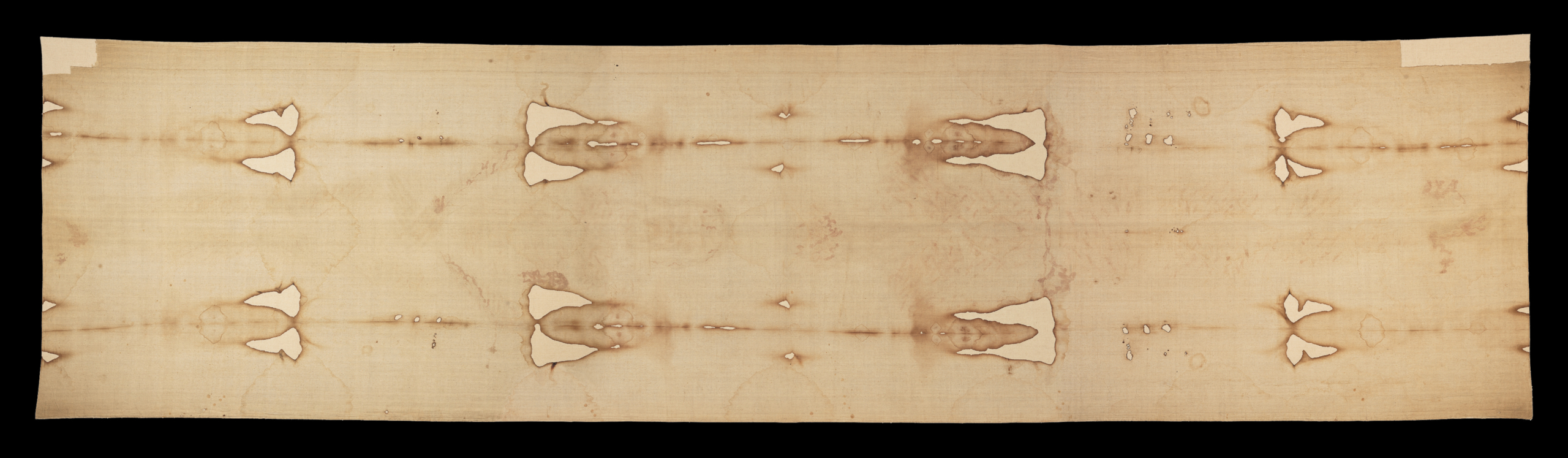
The paper, “The Holy Shroud Through the Lens of the Theology of the Body: Male & Female, He Redeemed Them,” explores the Shroud of Turin as a record of Christ’s Passion, viewed through St. John Paul II’s Theology of the Body (TOB). It emphasizes masculine-feminine complementarity, highlighting Mary’s role as the Second Eve in redemption.
Part I summarizes TOB’s anthropology: Original Man experiences solitude, unity, and nakedness before sin; Historical Man faces shame and lust post-Fall, redeemed by Christ; Eschatological Man anticipates eternal communion. Marriage images Christ’s union with the Church, with Mary’s mystical bond to Jesus restoring spousal meaning.
Part II applies TOB to Passion events, correlating Gospel narratives, Jewish wedding customs, and Shroud evidence. The anointing at Bethany prefigures burial; Jerusalem’s entry evokes a bridal procession; temple cleansing prepares the “Father’s house.” The Eucharist redeems desire; scourging and crowning reverse Eden’s curses; nakedness heals shame; Mary’s entrustment to John births the Church spiritually. Golgotha’s garden echoes Eden, with crucifixion fulfilling protoevangelium. Burial rites align with Jewish law, and resurrection manifests glorified humanity.
The conclusion portrays the Shroud as a divine romance: Christ’s sacrifice, amplified by Mary’s co-redemption, restores unity, inviting eternal nuptial joy amid modern distortions of gender and marriage.