Roundtable: Accompaniment of the Newly Married
Experts Call for Deeper Support for Newly Married Couples
A gathering of marriage formators has delivered a frank assessment of the challenges facing Catholic newly married couples – and a call to the Church to more actively engage with them.
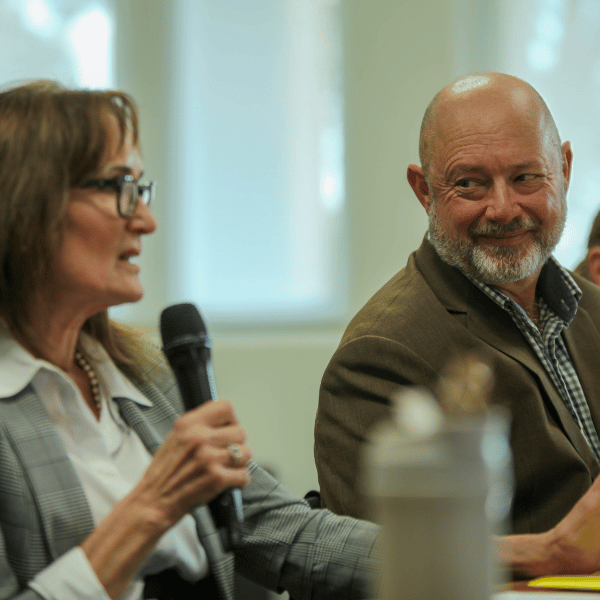
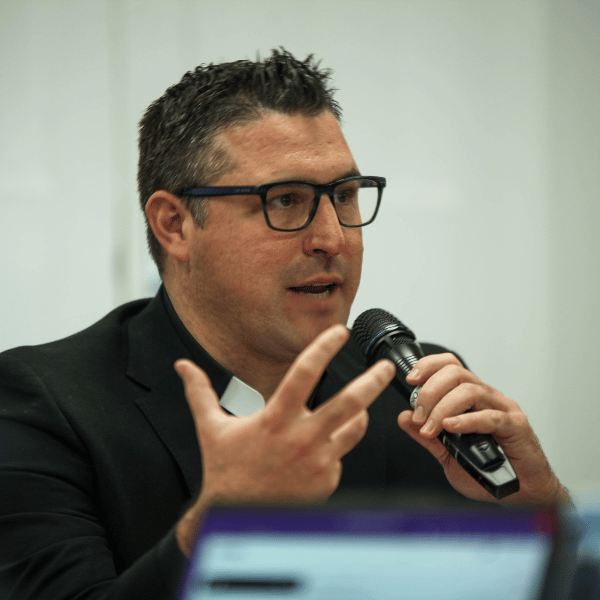
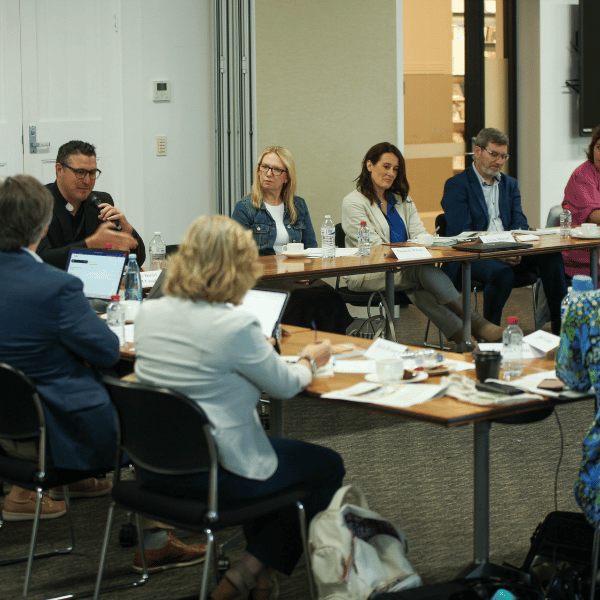
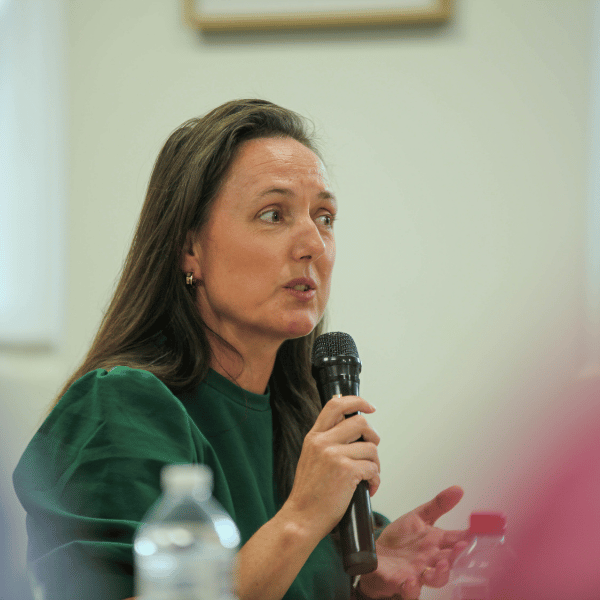
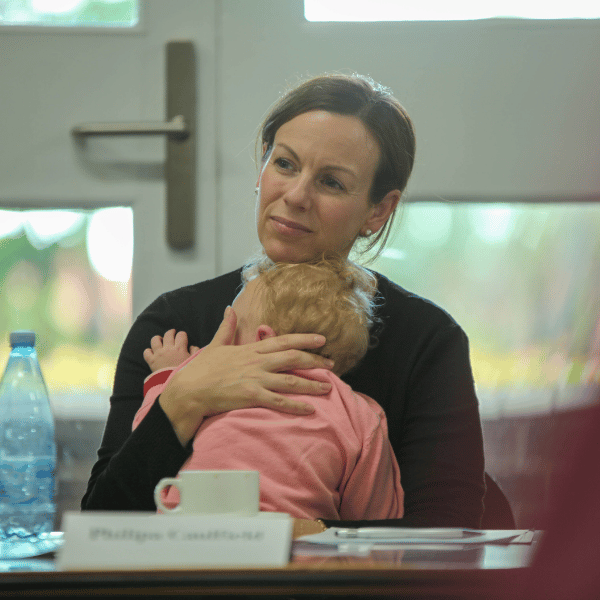
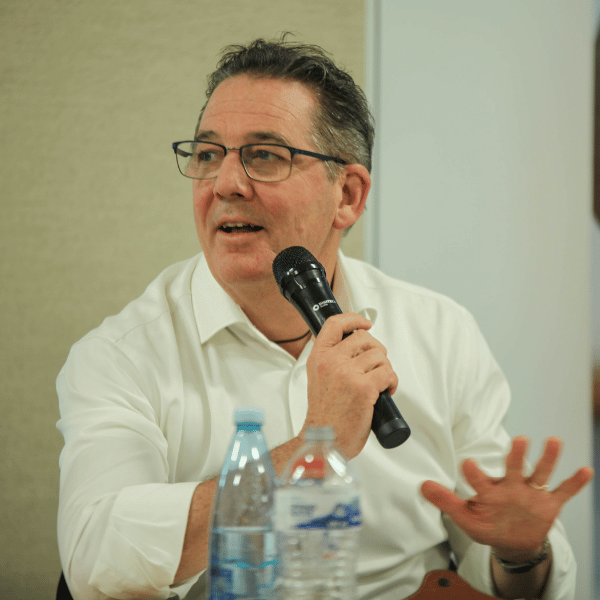
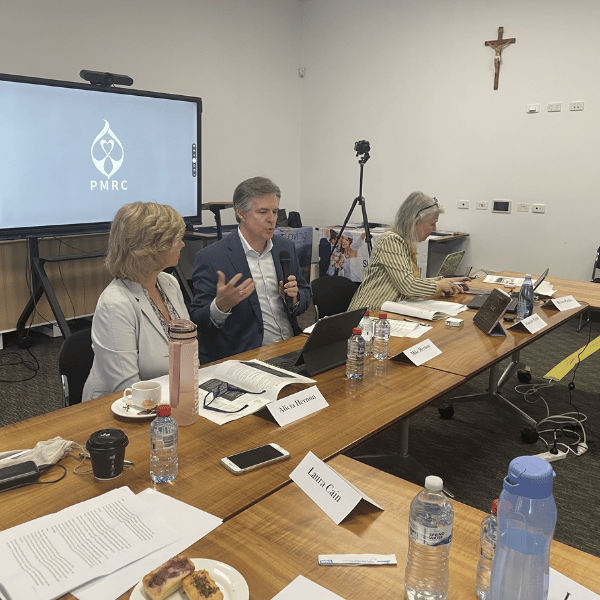
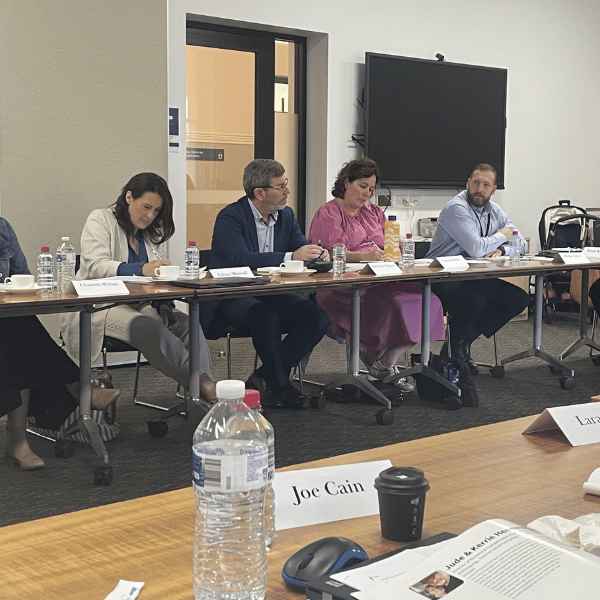
On a Monday morning in Sydney, more than twenty practitioners gathered with visiting experts, Mike and Alicia Hernon of the Messy Family Project, to participate in a roundtable discussion on accompanying newly married couples.
The group included volunteer ministers, counsellors, psychotherapists, a parish priest, diocesan staff, and couples who have spent decades walking with young families. They spent several hours mapping the gifts and struggles of newly married Catholics and asking hard questions about how well the Church is responding.
The conversation was at times blunt, at times moving, and occasionally funny. But the conclusions were serious. Here's some of the key insights.
The Wounds They Bring
Intimacy – sexual, emotional, and spiritual – emerged as the central challenge of early marriage, not primarily as a question of moral formation, but of healing. Delegate after delegate described couples arriving at marriage carrying wounds they didn't know they had: past trauma, fractured family backgrounds, and the distorting effects of pornography.
"The marital bed is the focal point," said one delegate. "It's the vulnerability – the spiritual, physical and emotional nakedness – that bring all these wounds to the surface. We shouldn't be surprised that this is a war zone for many couples."
Therapists in the room confirmed this. One described devout Catholic couples, married for nearly a decade, who had never once had an open conversation about what actually happens in their bedroom.
The prescription offered by the group was not less formation but better formation – grounded in hope rather than prohibition.
"If we say to a bunch of young men, 'God wants you to have a great sex life,' that's a different message to 'stop all the things you're doing,'" one delegate observed.
Open to Life – But Crushed
Fertility provoked some of the rawest conversation. Delegates described faithful couples who fully accept the Church's teaching on openness to life but feel practically overwhelmed.
"They are all actively open to life," reported one woman who had surveyed young couples before the event, "but we actually don't know how we're going to do it because we can't afford to."
The cost of housing in Australia – a source of rueful laughter when the American guests described buying a starter home for $38,000 USD – emerged as a structural obstacle to family life. Delegates argued the Church has both the social teaching and the moral authority to address this issue publicly.
The pain of infertility was also named as a pastoral gap: couples grappling with this, the priest noted, need "intimate personal accompaniment in friendship and love" – not just a class.
The Delivery Problem
The roundtable's sharpest consensus was about the Church's communication failure. "We are rich on content and terrible in delivery," one delegate said, drawing nods around the room.
Young couples, busy with infants and mortgages, cannot come to weekend-long residential programmes. They need free childcare and nearby venues.
The group also discussed delivery models that utilise newer technology. The Hernons reported how their podcast is reaching around the globe and appeals to parents as they can listen in the car while running errands.
Another delegate noted the importance of mentoring. "Couples respond to story and witness – older couples saying, 'this is hard, and it is possible.'"
The most effective parish models described were simple: a priest in Georgia who hosts ten parish couples to dinner each week for formation and fellowship; a mentoring programme in Canberra that pairs mature couples with newly-marrieds; a Brisbane mother who, through small gatherings of women, has provided community encouragement; a men's group in which every member independently said he comes because he wants to be a better husband and father.
The roundtable's message to the Church was not despairing but urgent: the resources exist, the hunger is real, and the window is narrow. The convenors noted that with 50% of marital separations occurring by 8-9 years, the newly married stage is the time when solid formation can have long lasting impact. As the Hernons – quoting Familiaris Consortio – put it: when you evangelise a family, you change the trajectory of generations.
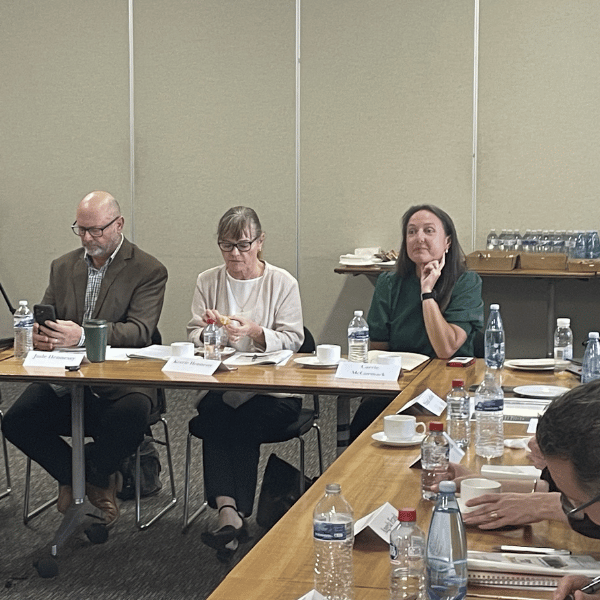
The Roundtable was convened by PMRC (Australia) as part of a SmartLoving research initiative into support for newly married couples. A global survey of newlyweds is planned for release later this year. The practical support of Catholic Archdiocese of Sydney and financial support of the Australian Catholic Bishops Conference is acknowledged.