Meeting Summary
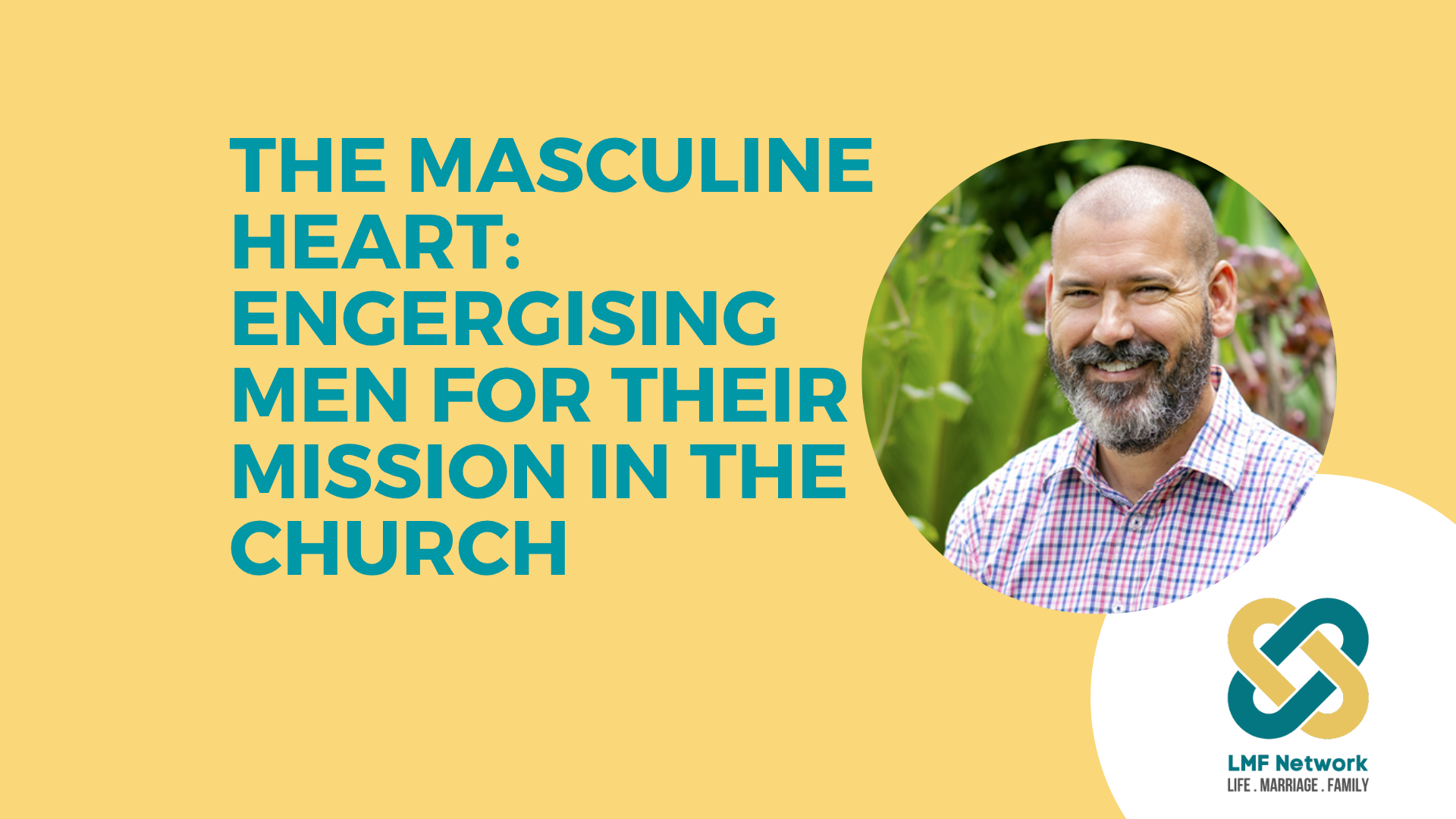
Ivica Kovac, coordinator of the Maximus Men’s Ministry Network in the Archdiocese of Sydney, presented on what he calls the masculine heart — the interior life of men and the conditions needed for it to thrive. He opened with a confronting picture of the status of men in Australia: six to seven men take their own life every day, men account for three quarters of all suicides, and a third of all deaths among men in their twenties are from suicide. In each case, the data points to a common underlying cause: loneliness — not physical isolation, but the felt sense of being unknown and unseen, even within families, parishes, and workplaces.
His framework for responding to this is the Maximus Men’s Ministry Network — a platform modelled on the Master Builders Association, not to create more programs but to connect existing men’s group leaders so they can learn from each other, share resources, and stop working in isolation. He was careful to distinguish this from the kind of men’s activity that simply takes men away from their families: the entire point of male fraternity and sharpening, he argued, is to give more of the man back to his marriage, his children, his parish, and his community. The theological engine underneath is the theology of the body and a proper ordering of the four loves — familial, fraternal, erotic, and agape — which, when disordered, he argued, is at the root of much of the loneliness, addiction, and disconnection men experience.
His practical vision is both simple and demanding: men need other men. Not programs, not podcasts, not content — but genuine vulnerability and fraternal correction in relationship. He described the metaphor of iron sharpening iron as a rubbing of shoulders that is not comfortable but is necessary, and shared the story of a man who walked into a Catholic church alone after his friend died in a housefire, registered for a men’s conference on a whim, and found the brotherhood that changed his life. Ivica announced at the close that he would be leaving Australia to move with his family to Croatia on November 11 — ending his time in the role he had poured into for nearly three years.
About the Presenter
Ivica Kovac served as Life, Marriage and Family Officer and coordinator of the Maximus Men’s Ministry Network in the Archdiocese of Sydney’s Centre for Evangelisation from January 2022 until October 2024, when he relocated his family to Croatia. Before working for the Archdiocese he spent 20 years in the equipment hire industry and one year in Sydney Catholic Schools. He is married to Maria and is father to seven living children and three lost to miscarriage.
Key Takeaways
- The purpose of men’s ministry is not to take men away from their families — it is to give more of the man back to his family, his parish, and his community. This framing matters because it positions men’s ministry as supporting rather than competing with the primary vocation of marriage and fatherhood.
- Loneliness is the common thread beneath male suicide, addiction, and disengagement from the Church. It is not physical isolation — it is the felt experience of being unseen and unknown, even by those closest to you. Men in the pews who look successful on the outside are not immune.
- According to a major ACBC study of young Australians aged 15–29, the single greatest influence on a young person’s faith life — by a large margin across every age group — is the family, and within the family, the father. The Church is not resourcing men’s formation in proportion to the fruit it would bear.
- At the time of this meeting, Ivica was the only diocesan employee in Australia specifically dedicated to men’s ministry. Every other initiative is volunteer-led. The contrast with other Christian denominations — some of which employ multiple paid men’s pastors — is striking.
- Fraternal love has been lost and needs to be deliberately rebuilt. The practical starting point is not a program — it is an invitation: one man inviting another to his home for a beer or a coffee. Ivica described what happens when that happens as exponential. Someone needs to enter the breach first.