
Fr Nicholas Pearce
Biography
Fr Nicholas Pearce is a priest of the Catholic Archdiocese of Melbourne. Ordained in 2010, he has worked in numerous Parishes and held several positions within the Archdiocese, most recently leading a team of staff developing and implementing a discipleship-based ministry to Youth, Young Adults, and University students.
In 2020, Fr. Nicholas completed his Masters in Psychology at Divine Mercy University and has recently completed his Masters in Clinical Mental Health Counseling at the same university. He currently works as part of the counseling team at CatholicCare Victoria. His particular area of interest is promoting positive mental health and well-being among clergy and religious, and he works from a strengths-based, IFS and ACT-informed approach.
“Chastity without charity is a lamp without oil” – St Bonaventure
Having accompanied young people for over 20 years, Fr Nicholas will discuss the importance of developing deep and meaningful relationships, engaging in acts of service and kindness, and fostering a sense of genuine love and concern for others as a way of growing in virtue, strength, and motivation to lead chaste lives and address problematic pornography use.
Transcript
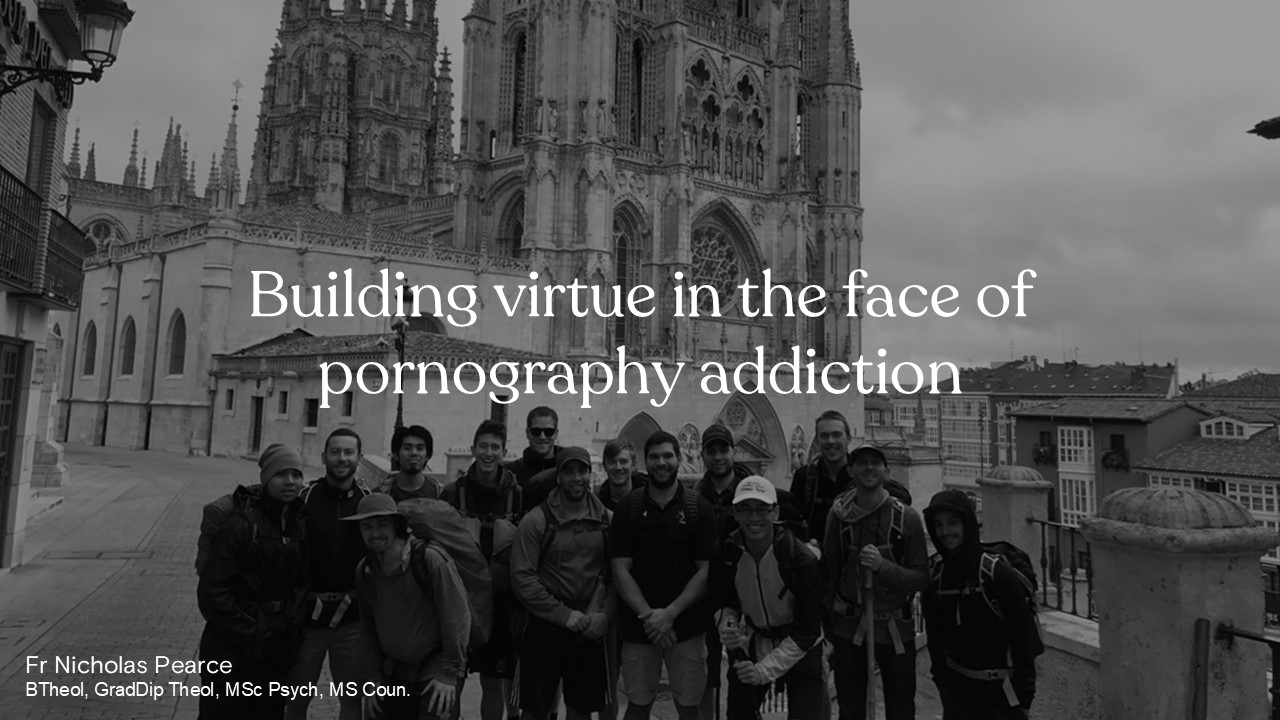
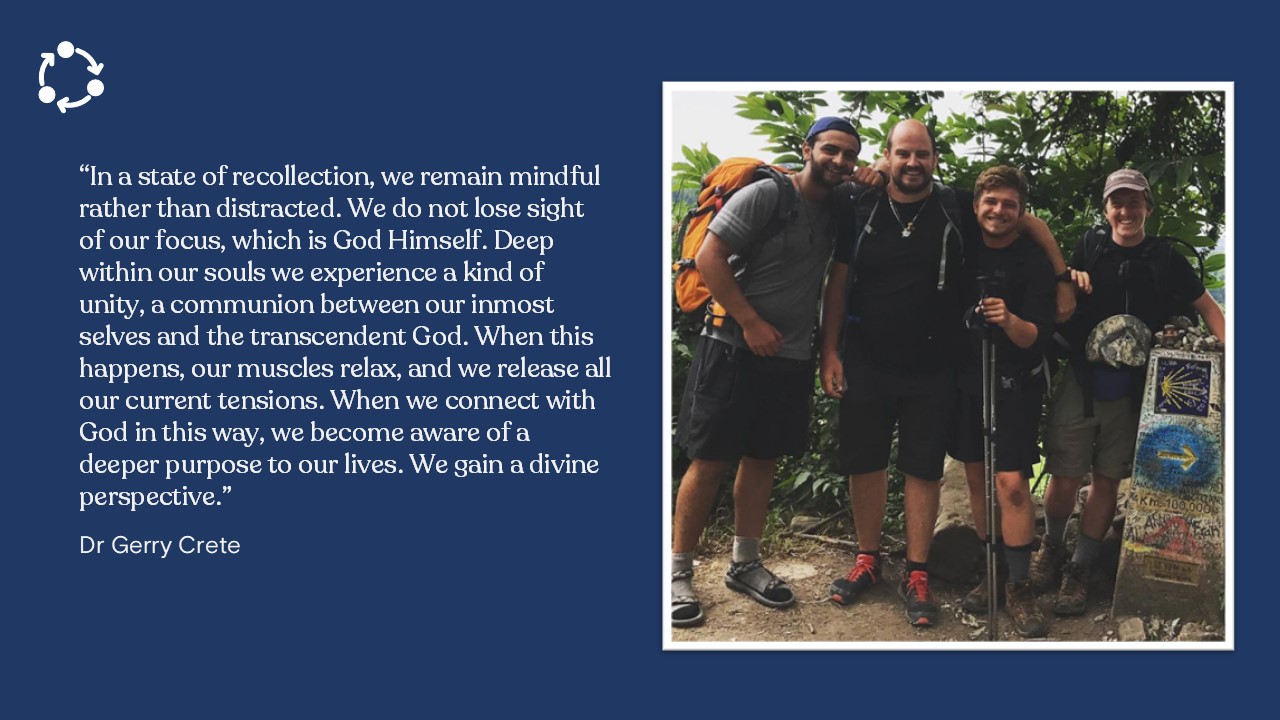
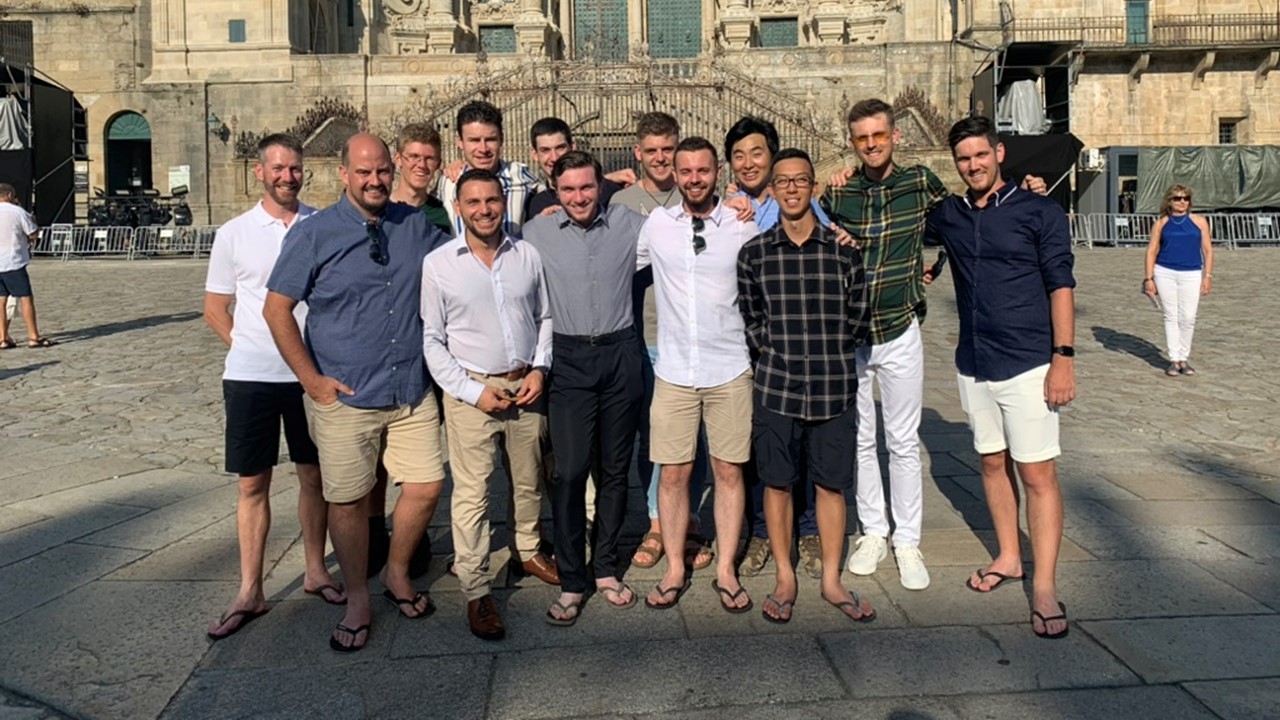
For 5 years before Covid, I was very lucky to lead groups of young men on the Camino de Santiago and so across those five years. I led groups of varying sizes but over 45 young adults, young Catholic men, all the different experiences and all the different points of discernment and learning in their lives, the one resounding experience of all of them was if they were struggling with pornography before they left, at the end of 25 or 30 days they weren't struggling with it. So, I thought I would share with you today five things that I think walking the Camino de Santiago adds to the life of a young man that we as clinicians, as professionals, as helpers, as friends, should be trying to add to our basket of care, in addition to all the other things you're going to hear from today.
So, the first thing is that often for the first time in their lives, these young men had a sense of purpose.
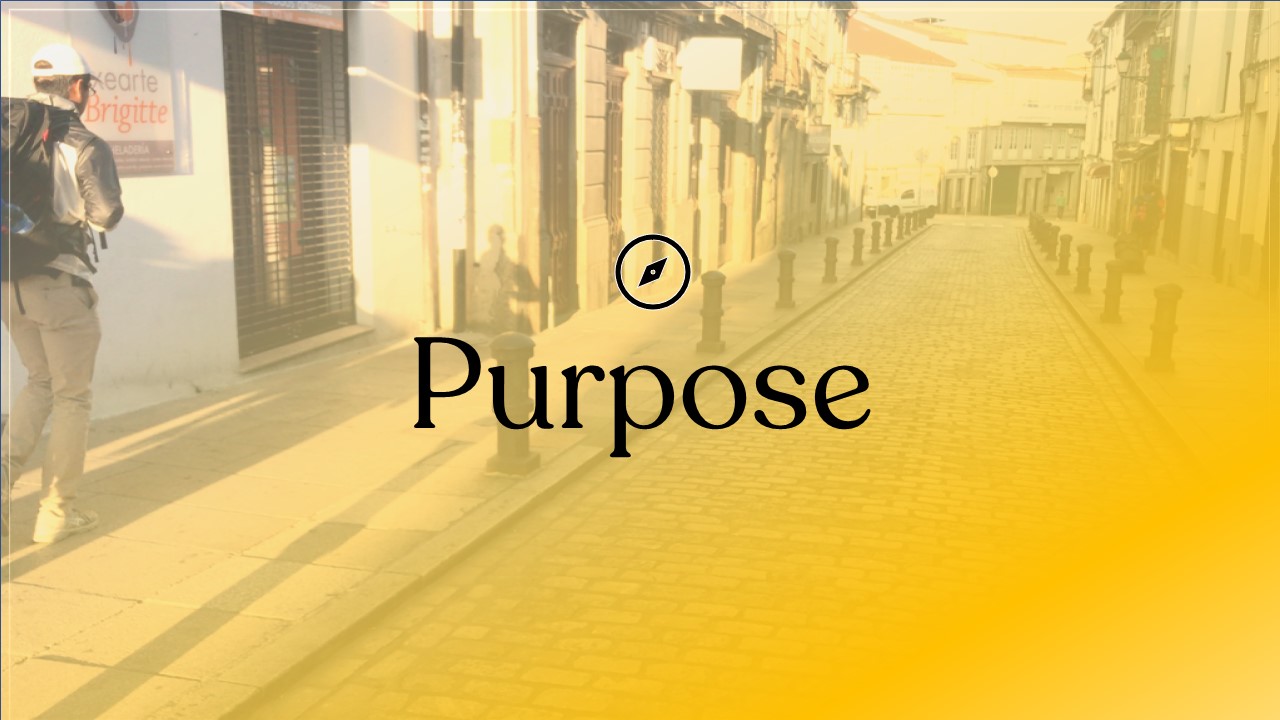
For 25 days they knew exactly what they needed to do. Each and every day and the sense of purpose gave each day meaning and quite simply on pilgrimage their life's purpose was very simple. Get up, eat, walk, shower, wash your clothes, eat, sleep repeat. The simplification of their lives but also the fact they knew that if they did these things each and every day they would achieve their goal, I think was essential to them combating their addictions to pornography.
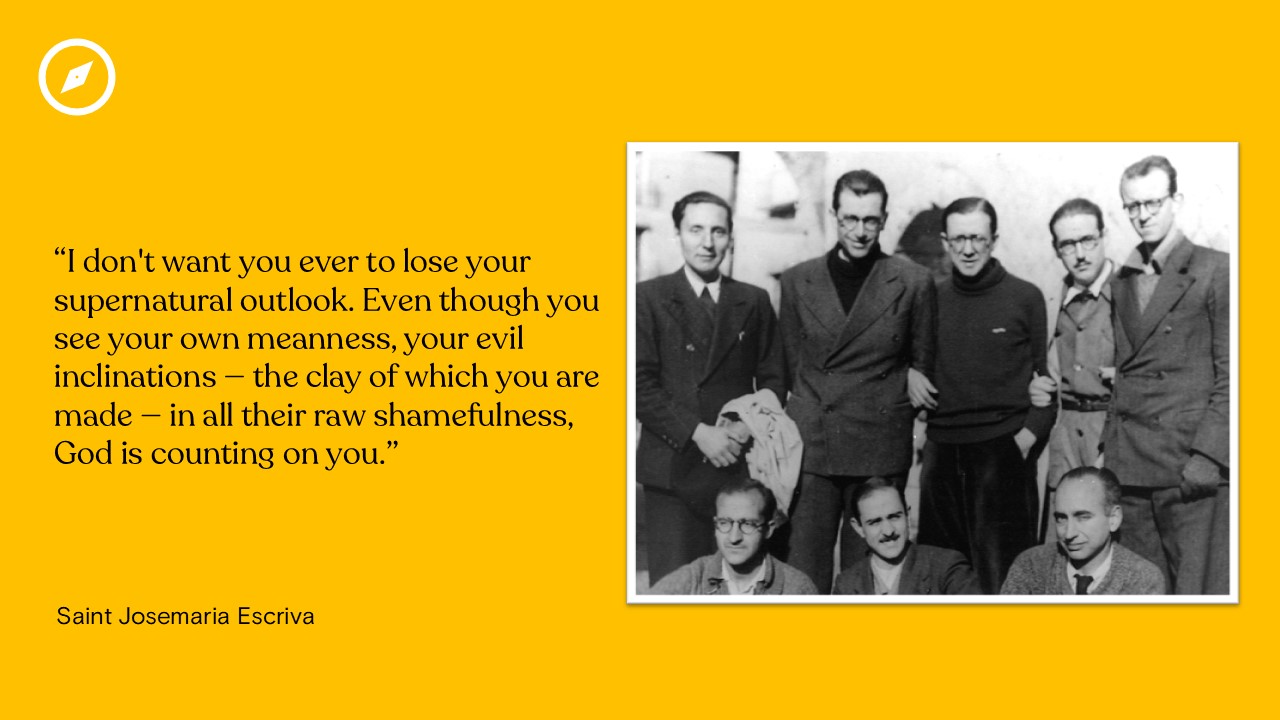
So how can we as helpers as professionals, help the young men and women, or old men and women, find a sense of purpose. In a Christian sense how can we help them gain a sense of supernatural outlook once again in their life?
Beyond their struggle and we've heard this a number of times already. I'm going to propose that perhaps the vocations crisis that we see in the church is actually a pornography crisis. How many young men because they're struggling in this area, are not even willing to investigate a vocation to the priesthood in which they're going to be celibate for the rest of their lives, if they don't think they can combat this? I think it follows for marriage also. So, I think there's some real questions that we should be asking about how we actually help people in that discernment process. First, as a step in helping them overcome.
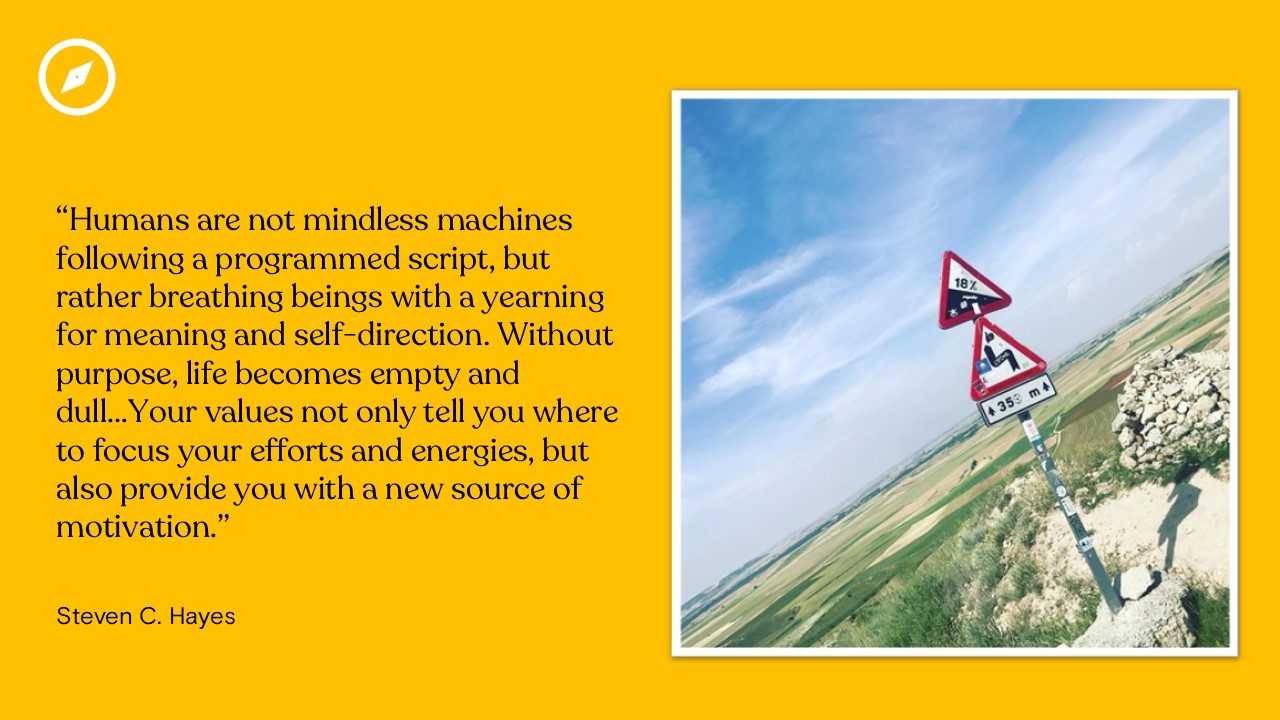
For if they discern actively their life's purpose, that then gives each day meaning. For those of you who are familiar with the acceptance and commitment therapy. We know that in this theory, central to the idea of psychological flexibility is values-based action.
How do we help the people that we're serving identify the value in which they wish to live their life by? Not as a response to the problem of pornography use but as a response to the kind of men and women they wish to be.
How do we help them identify their purpose, their meaning and set out in the face of adversity to achieve that?
The second is a sense of Communion. Young people today in particular live in the most connected time of the world, yet live the most isolated lives? Yet on pilgrimage they are united with others in deep bonds of union and they are united with God.
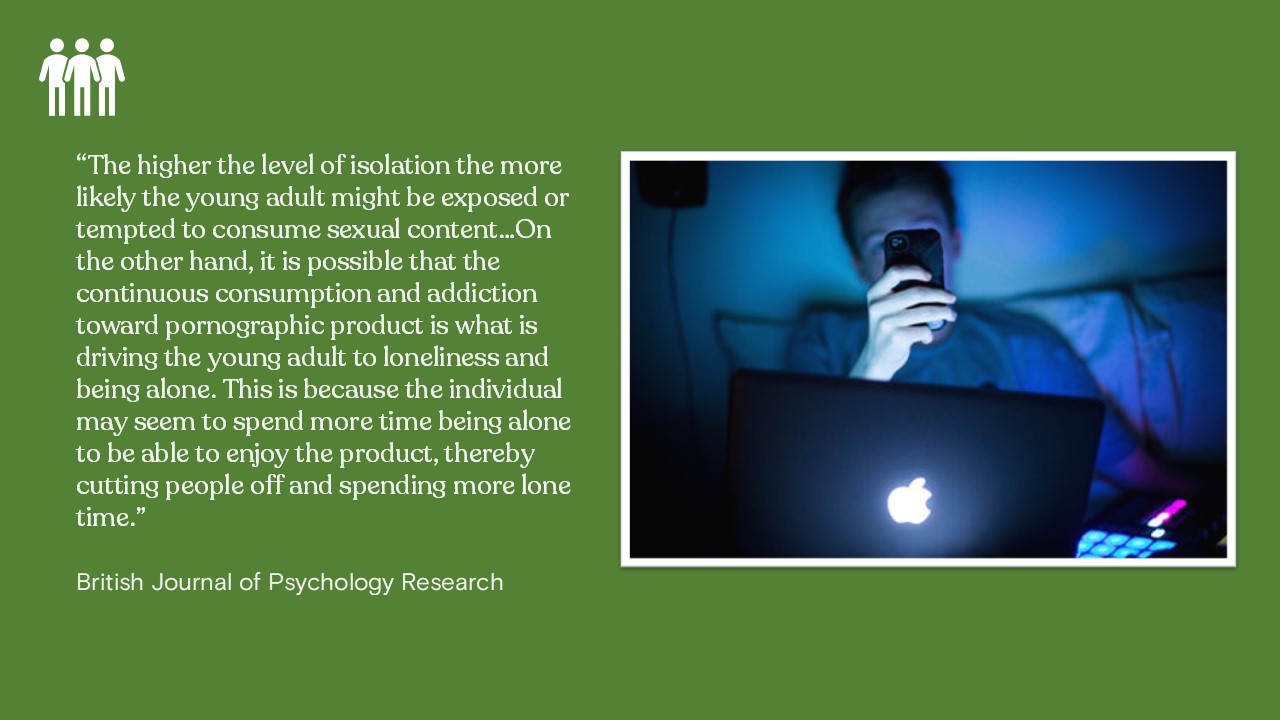
Any of you who work with people with the vicious cycle of pornography will be aware, that at the heart of these addictions for most people is a sense of loneliness. Young men and young women turn to pornography to address lonliness, but in fact it creates an even deeper sense of loneliness.
So how are we who work in this area working to build communion into the lives of our clients? Our family members, our students, friends.
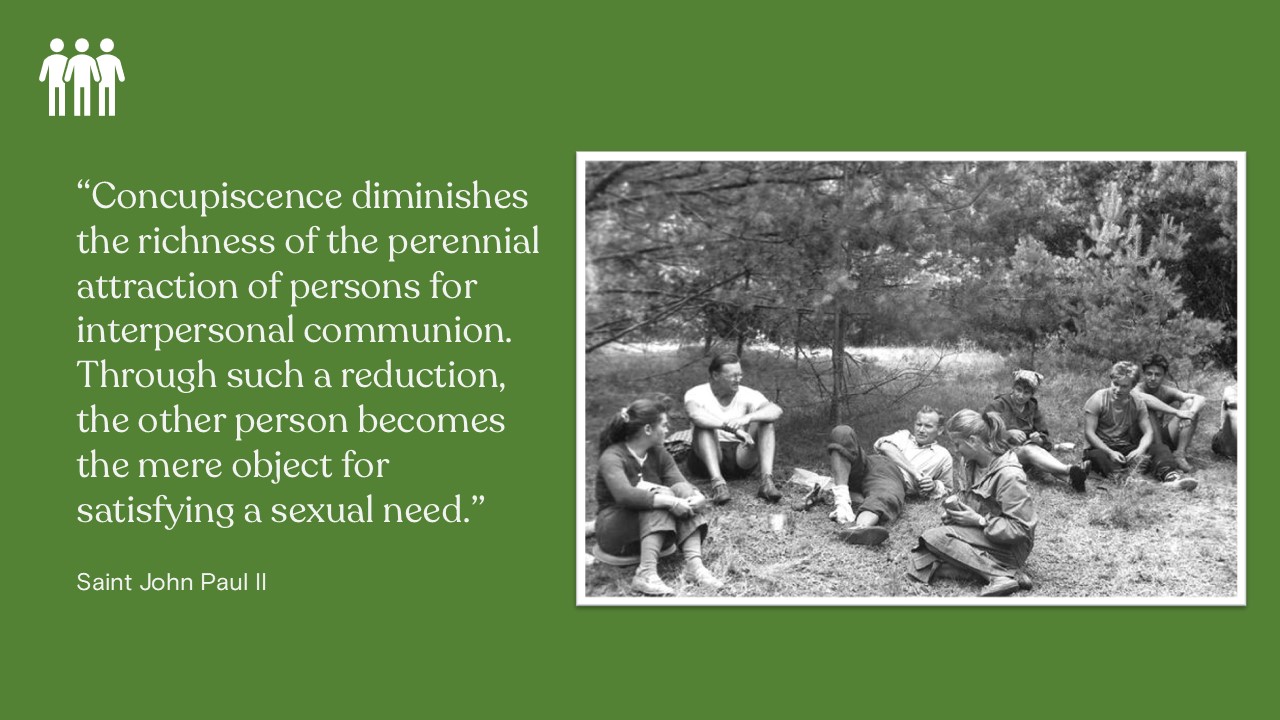
Sin draws people apart, the effect of sin is broken communion. How are we helping those that are struggling in this area to be united with each other and with God?
The other key part of their experience with pilgrimage is daily Mass. I often say to pilgrims on our final day together in the Santiago Cathedral. You know what? If I could have convinced you to go to Mass 25 days in a row you could have saved yourself all the trouble. One of the greatest parts of this sin or struggle with pornography that happens in the young people that I work with is it stops them going to Mass. It stops them receiving Holy Communion, it draws them out of communion with the God who loves them.
If you haven't read the catechism's definition of sin of masturbation (remembering that it was written before the internet) and its lines around force of acquired habit and moral culpability, then we need to read it. Subsection 2352 because if what we believe to be true about this being an addiction, and if we are working with people from an addictions-based mindset, that says a lot about their reception of Holy Communion and whether or not they should be receiving with regularity.
Beauty. It is hard not to be inspired by the beauty of the north of Spain. If you haven't been you have to go. But also 25 days in a row of just being outside, in the beauty of God's creation. I live in North Melbourne, I'm an inner-city hipster I'm not some nature loving priest. Once I met an American on the Camino and I said I'm going to America next year where should I go? She was like oh Yosemite and…and I said oh I think you've got the wrong idea of me, these are my 22 days of the year I spend outside. I'm now looking for restaurants, and whiskey bars, and things like that. But anyway Beauty. How do we help the young people, old people, that we're working with fill their lives with natural beauty? Literature, art, music, nature architecture, order, God's Beauty?
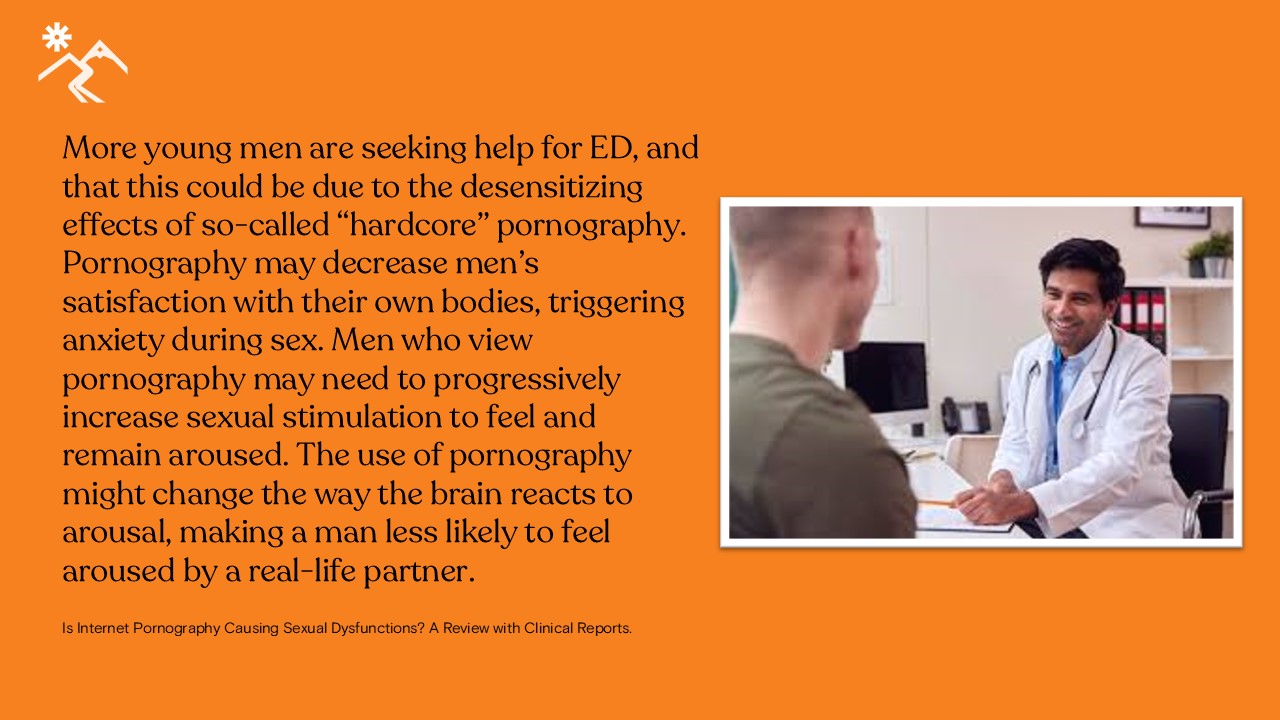
I normally use this one in a school and say to boys go home and Google porn induced erictile dysfunction. We now know that young men when faced with real beauty in the physical form of a woman their bodies no longer know what to do. So how do we replace the ugliness of sin with beauty that calls on to something greater.
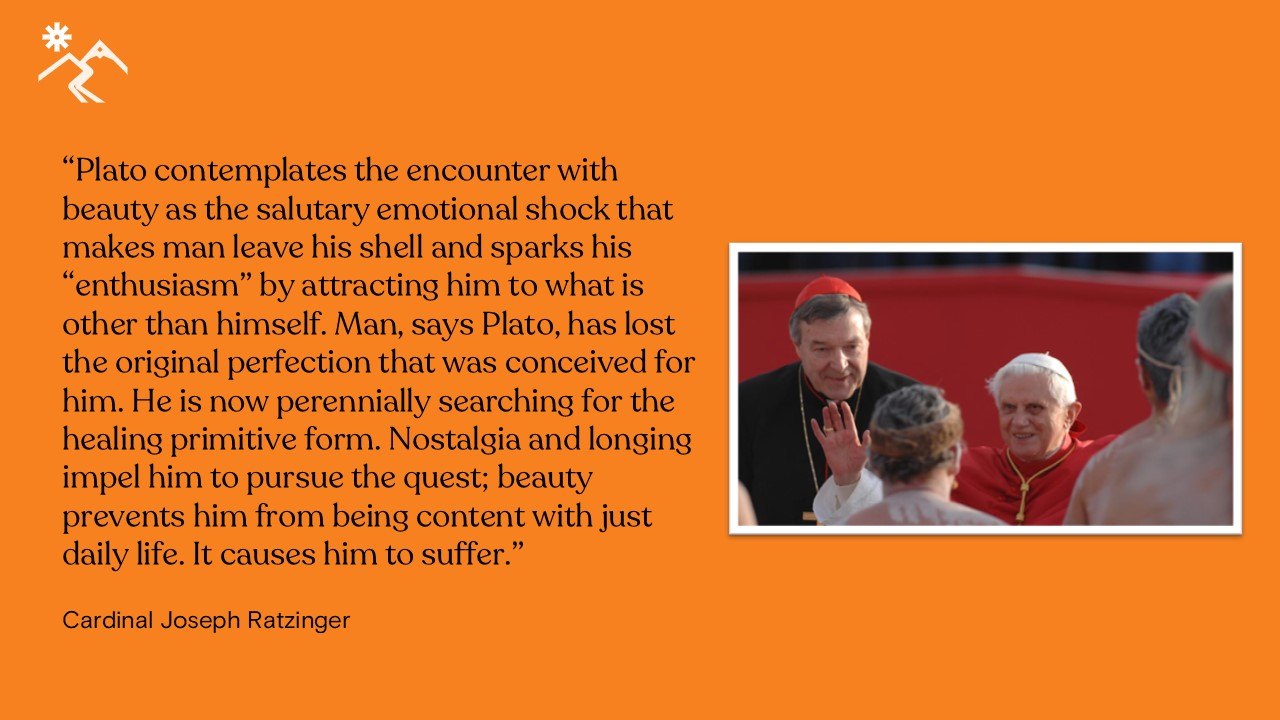
Which leads to my next point, which is that the Camino demands something of them, it demands greatness, but it demands love and sacrifice, and hardship for the other. It's physically, emotionally, spiritually demanding. It demands hard work and commitment. How do we help those people that we serve build charity in their lives?
For we know that pornography turns something that is meant to be spent on others in on itself, so how do we build the virtue of charity? Not in response to pornography addiction but because it's the command of God. 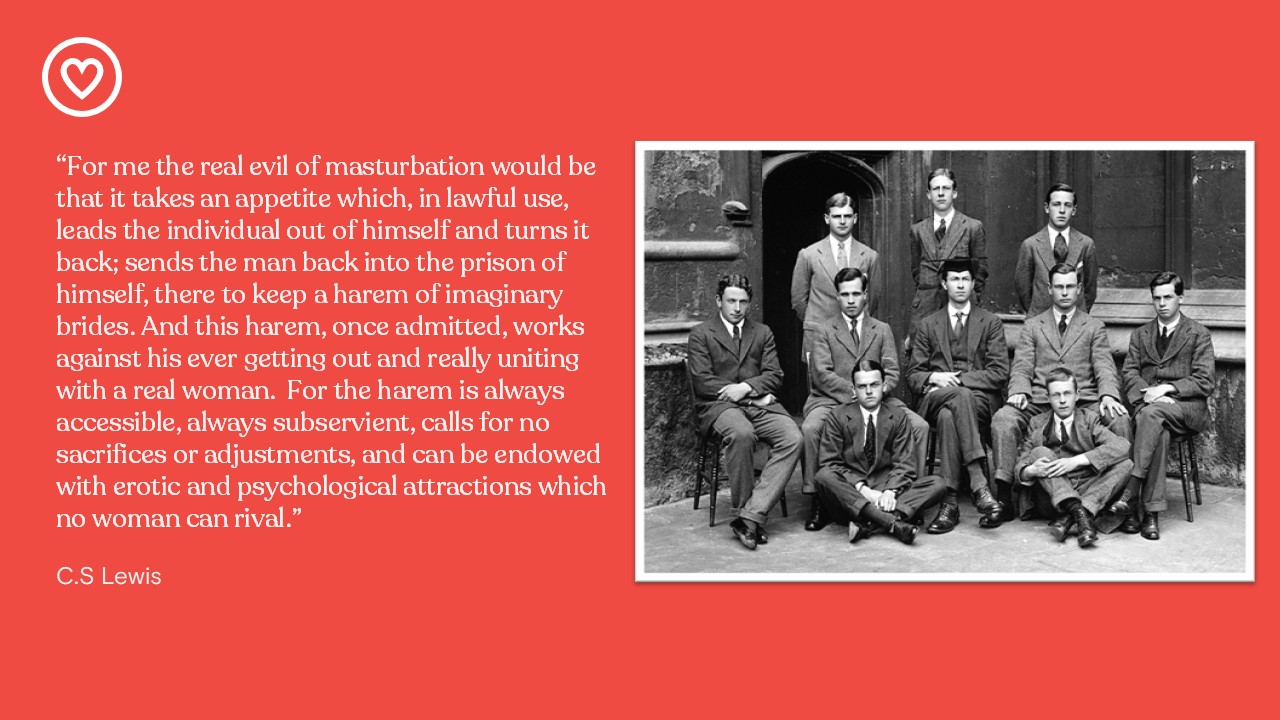
"Love one another as I have loved you." I don't think it's a coincidence that those great Saints throughout the history of the church that have been known for their chastity have been known for their charity. So how are we helping those people we serve be men and women of charity each and every day, building that virtue in their lives?
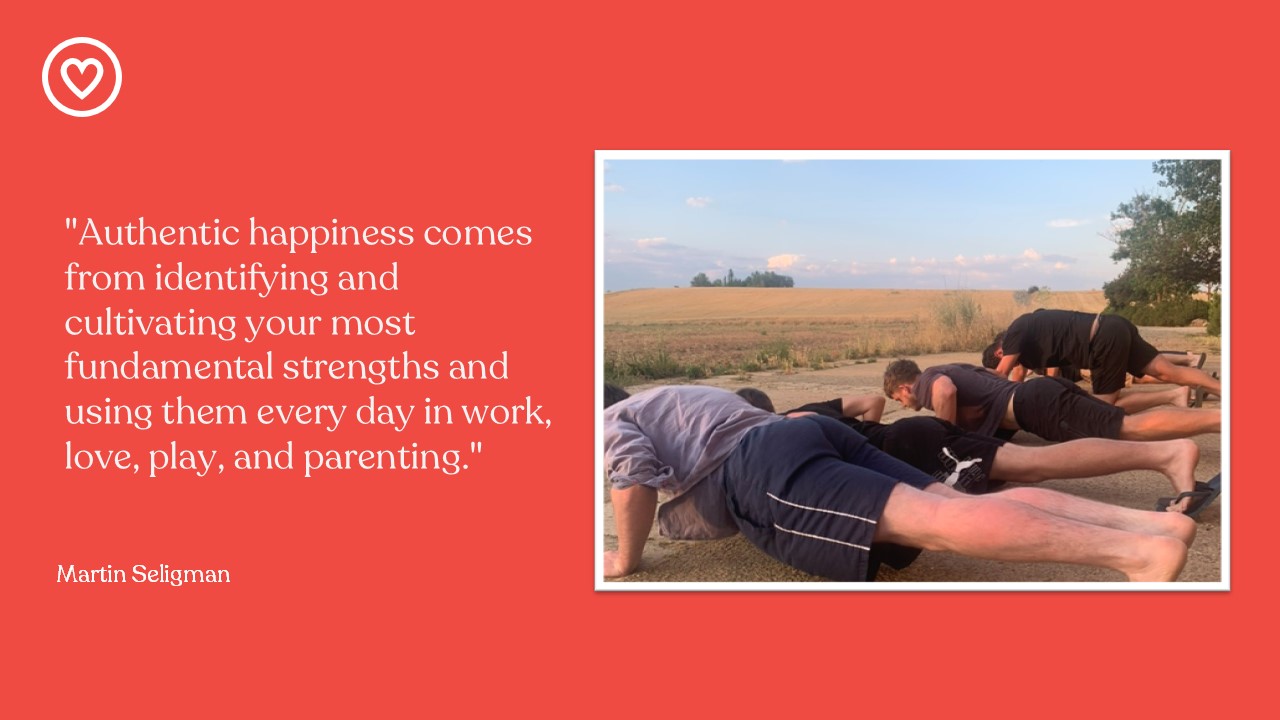
My final point is wholeness, by the end of the trip the young men come to a greater appreciation of who they are as men, not who they are as sinners.
How on these journeys are they able to uncover the unconscious and bring it into the conscious?
One of my favourite quotes is from the Screw Tape Letters and if you haven't read CS Lewis' Screw Tape letters, it's not an easy read, the podcast is better, but it is written in the person of a demon teaching a young demon (his nephew) how to tempt people away from God.

So everything's written in the reverse of how we normally read it, so it takes a bit of time, but at one point he says "it's funny how mortals picture us putting things into their minds but in reality our best work is done by keeping things out" and what does the evil one keep out of the mind of a young person in particular who is who is using pornography? Is that they were made for greatness. That they are loved by God that there is a fundamental unity within that they can achieve, even in the face of sin. So how do we help those people that we serve, find the space to understand themselves as God understands them?
One of the most common experiences I have in the confessional is young men who come to confession and only confess one sin and they get the same response from me every time. "Go away."
Bless me Father for I have sinned, and it's been one week since my last confession and I'd like to confess impurity with myself through masturbation and pornography on five or six occasions. For these and any other sins I made….
Go away and come back when you've examined your conscience fully.
The greatest trick of the evil one is to have young people view themselves wholly and solely through the lens of their wounded sexuality and how do we know it's the greatest trick? Because when we look at society today it's how society would have us view ourselves. More often than not we don't agree with society especially when it comes to its view on sex and sexuality and so most fundamentally. How do we help the young people that we serve see themselves the way God sees them with the love that God has for them?
Links mentioned in this talk: Screwtape Letters by C.S. Lewis https://www.amazon.com.au/Screwtape-Letters-C-S-Lewis/dp/0060652934
Access presentation PowerPoint slide here: Building Virtue in the face of pornography addiction.pptx
Three main points from this talk:
Purpose and Meaning: The Camino de Santiago helps young men discover a sense of purpose through a structured daily routine. This simplicity allows them to focus on meaningful actions, which can combat distractions like pornography. Helping individuals identify their personal values and life purpose is crucial in supporting their journey towards chastity.
Community and Connection: Despite living in an age of connectivity, many young people experience profound isolation. The pilgrimage fosters deep communal bonds and a connection with God, countering the loneliness that often drives individuals to pornography. Building supportive communities is essential for helping those struggling with these issues.
Beauty and Wholeness: Engaging with the beauty of creation and nurturing a sense of wholeness can counteract the negative effects of pornography. By appreciating beauty in nature, art, and relationships, individuals can cultivate a greater understanding of themselves and their worth, seeing themselves as God sees them rather than solely through the lens of their struggles.