Meeting Summary
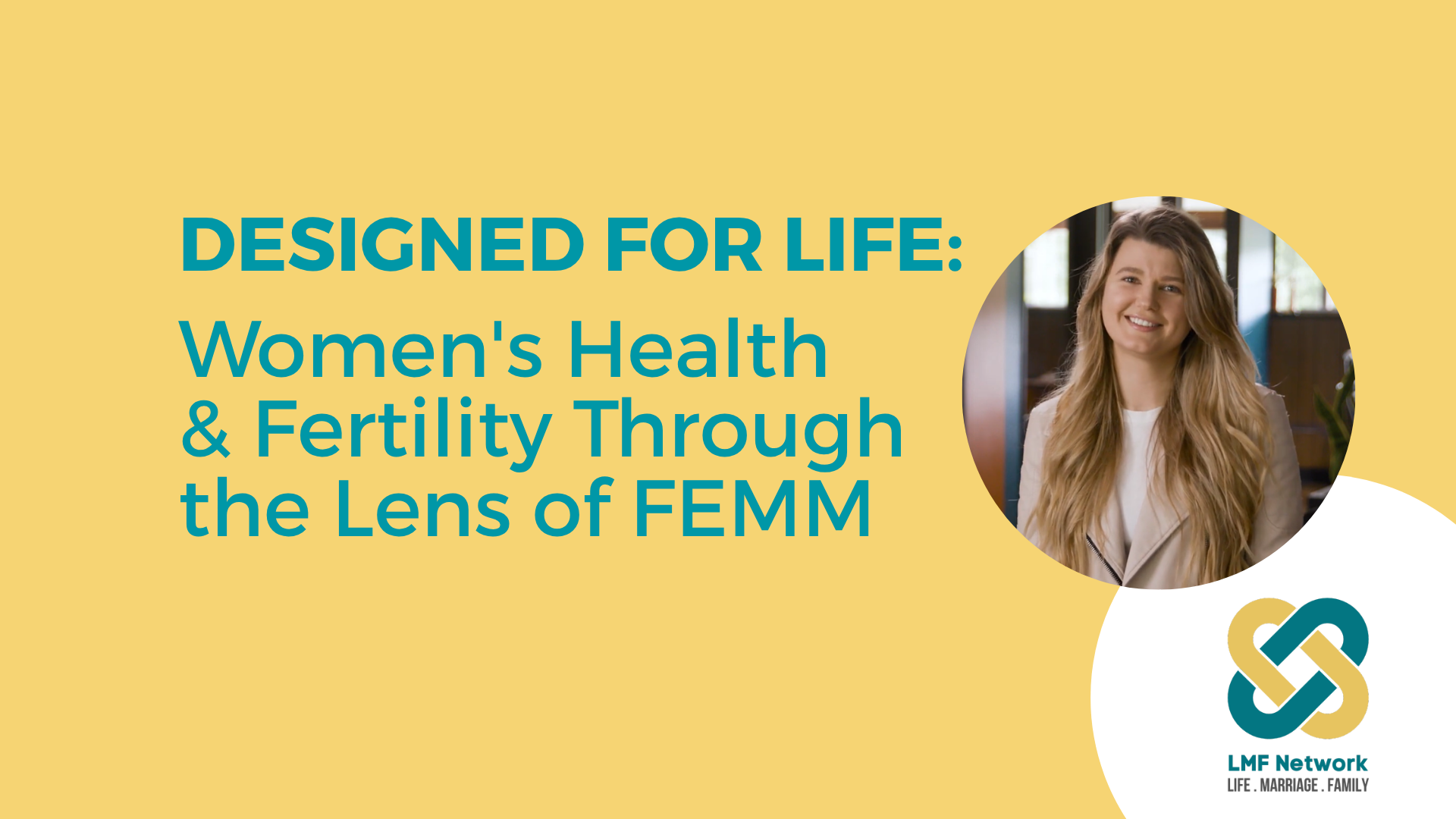
Felicity Blazevic, a certified FEMM teacher based in Sydney, presented on FEMM — Fertility Education and Medical Management — a knowledge-based women’s health program that teaches women to monitor their hormonal activity, identify ovulation, and become informed participants in their own healthcare. Her central argument was simple: ovulation is a vital sign of health, not merely a reproductive function. When a woman’s cycle is disrupted — by hormonal imbalance, PCOS, or the suppression caused by hormonal contraception — the effects ripple through her entire body, from bone density to mood regulation to immune function. FEMM is designed to address this by teaching women to read their own cycle, identify abnormalities, and connect with medically trained practitioners who treat root causes rather than masking symptoms.
Felicity recommended anyone who is interested could watch this recording of an event held by the United Nations titled: Beyond band-aids: Innovation to improve women’s healthcare where FEMM is discussed and explained: https://webtv.un.org/en/asset/k1e/k1ep520cfe
Felicity walked the network through the structure of the FEMM program: three educational sessions delivered by a certified teacher covering hormones, healthy cycle patterns, and family planning applications; a free app for daily tracking; and a medical management division with standardised diagnostic protocols developed through the Reproductive Health Research Institute. She explained how FEMM fits within the broader ecosystem of natural fertility awareness methods — alongside Billings, Creighton, Sympto-Thermal, and Marquette — noting that all are grounded in the same underlying science, with FEMM’s distinguishing feature being the addition of LH testing strips alongside cervical mucus observation. She noted that only two FEMM-certified doctors currently practise in Australia, though she also refers to NaPro clinics where needed.
The discussion that followed touched on the cost of FEMM education (approximately $60 per session across three sessions, with inexpensive at-home LH strips), the theological question of whether Humanae Vitae‘s therapeutic exception for contraception should be revisited in light of new research, and the frustration of members who described doctors over prescribing the pill for acne and mood. Felicity closed by inviting the network to connect with her directly to explore how FEMM education might be incorporated into marriage preparation programs, women’s health clinics, or diocesan resources.
About the Presenter
Felicity Blazevic is a certified FEMM and Teen FEMM teacher based in Sydney, having trained after a decade in the corporate technology sector in the US, where she first encountered FEMM through the Catholic community in Seattle. She is the founder of Wellspring Holistic and is listed on the Sydney Catholic Diocese’s Natural Fertility Awareness page. She can be contacted at [email protected].
Key Takeaways
- Ovulation is a vital sign of health, not just a fertility indicator. When a woman is not ovulating — outside of natural stages like pregnancy and breastfeeding — something may be wrong and need assessing. FEMM’s entire approach is built on restoring healthy ovulatory function by identifying and treating the underlying hormonal cause, rather than suppressing it.
- 72% of women taking the pill are using it to treat a symptom — not primarily for contraception. The pill masks conditions like PCOS, endometriosis, and hormonal insufficiency without addressing their cause, and is classified as a Group 1 carcinogen. Many women are simply not told this.
- Only 3% of women worldwide can identify when they are ovulating. This is the gap FEMM exists to close — through education, cycle tracking, and a free app that allows women to observe and record their own hormonal patterns and share the data directly with their doctor.
- FEMM is distinct from but compatible with other NFP methods. Billings, Creighton, Sympto-Thermal, and FEMM all share the same underlying science; FEMM adds LH urine test strips to increase accuracy in identifying the ovulatory window. Cost is low — a bulk box of strips runs around $15, and three teaching sessions cost approximately $180.
- FEMM is an underused resource for Catholic marriage preparation and women’s ministry in Australia. The program is explicitly aligned with Catholic teaching, treats the whole person, and equips women with knowledge that directly supports discernment around family planning, fertility treatment, and healthcare decisions. Felicity is actively seeking partnerships with dioceses and marriage preparation programs.